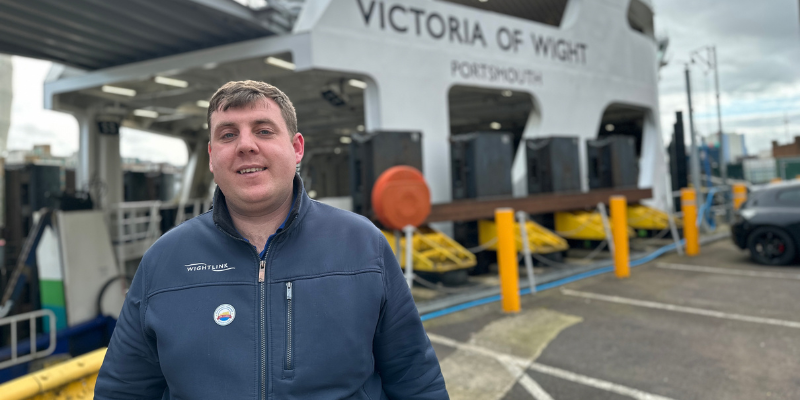
From schoolboy dream to life on board Wightlink – Ben’s story
To mark 100 years of the Portsmouth–Fishbourne route, we’ve been speaking to Wightlink colleagues with a deep connection to our ships and services. Their stories offer a unique, behind-the-scenes look at life on one of the Island’s most important routes.
This is Ben’s story — press play to listen to the full interview, or read the summarised version below.
I’m Ben, a Café Steward at Wightlink. I’ve been here for around 17 years. I’ve liked Wightlink since I was really little. I’ve always loved the boats; everything about them.
Moving to the Isle of Wight
I was born in Coventry and lived there until I was about 10. Then we moved to Monmouth in Wales for a year, and after that we moved down to the Isle of Wight.
We used to come here on holiday every year, travelling with Wightlink, and we all loved it. Mum and Dad wanted a place here, so eventually we made the move. We settled in Shanklin, and that was it really, the start of life on the Island. I’ve enjoyed it ever since.
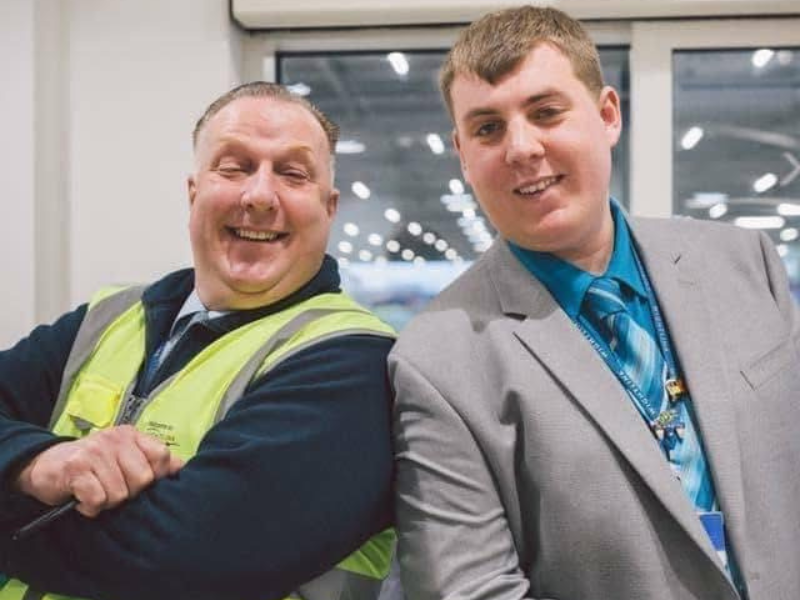
When we first moved down here, my dad (pictured below) started working for Wightlink, and that meant I saw the ships more often, visited him at work and got more involved in that world.
Over time, my passion for the company and its ships just kept growing. I started here quite young, I was about 15 when I first began doing cup collecting at Ryde Pier on the weekends. I really enjoyed it, and that was the beginning of my career with Wightlink. From there I moved from port to port, gradually progressing as I went.
My first days on the ferries
I remember being really nervous on my first day, especially at the start, because it was my first job and I’ve only ever worked for Wightlink, which I’m actually really proud of.
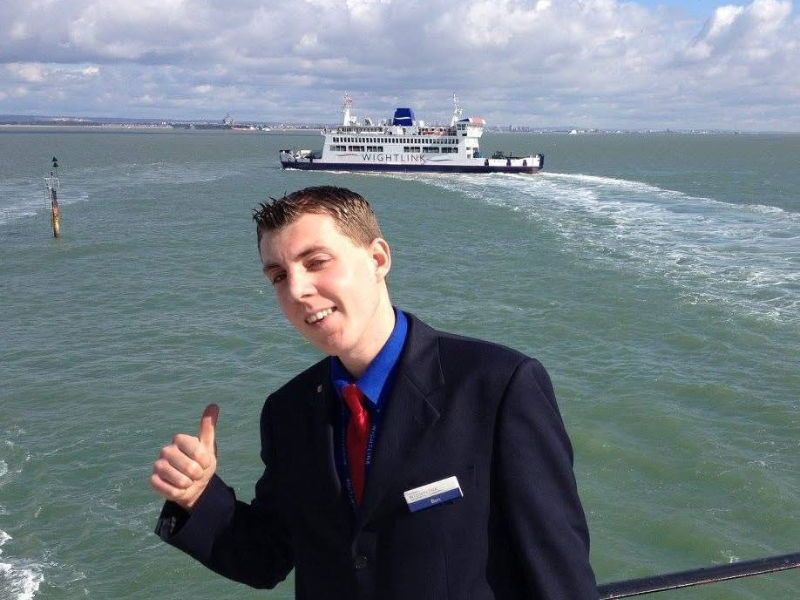
When I first started working on the ships on the Portsmouth–Fishbourne route, I was just excited. Ever since I was at school, I’d always wanted to be a steward on the boats. So when I finally got there, it felt amazing to be on the water, onboard a ship, and part of a crew.
I loved serving customers, seeing all the people heading to the Island and back to Portsmouth, and just being part of that experience. And then there are the views you get from the boat, they’re outstanding. That’s something that never gets old.
Why I've stayed for 17 years
For me, it’s the ships and the people.
Everyone I work with is fantastic. It feels much more like a family than just a workplace. I don’t really see the people I work with as colleagues; they’re friends, and in many ways they’re family.
I’ve moved around the business a lot over the years. I’ve worked at nearly every port now and on every ship, and there’s always something different happening. There’s always a different view, different weather, different people and different stories. You meet regulars, you meet holidaymakers, you meet people travelling for work. Every day is different.
That’s why I’ve never wanted to leave. I love the variety and I love the fact there’s always something new.
Not just a job
It’s more than a job for me. It really is. I think part of it is just my passion for the boats, but it’s also the fact I’ve been here so long and so many people have watched me grow up in the company. A lot of them still think of me as “young Ben”, and that means a lot.
I also love photography, and working here means you’re constantly surrounded by brilliant views and changing scenery. There are always different shots to capture, different weather, different light.
So to me Wightlink feels like family. It doesn’t feel like “just work”. It’s part of my life, really.
A typical day on Portsmouth–Fishbourne
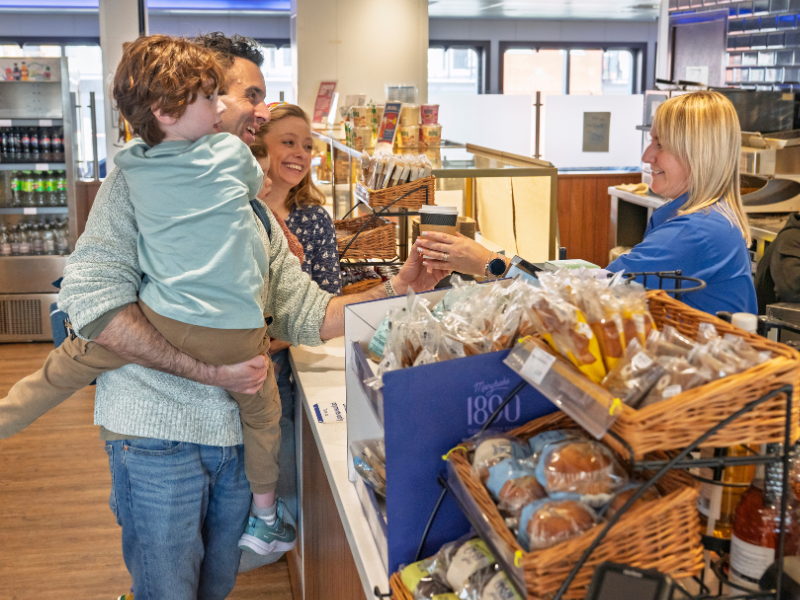
A normal day starts with getting on board and helping get everything ready. I work in our retail outlets, so that means opening up, getting the café set for service and preparing for customers.
Then the day really gets going. You’ve got all sorts of people travelling — not just holidaymakers. There are commuters, people on business trips, families heading away for a break, regular passengers and people who’ve never been on a ferry before.
That’s what makes it so interesting. You greet people, chat to them, catch up with regulars and speak to new passengers who might be travelling for the first time. Some people are nervous, and it’s nice to be able to reassure them and share your knowledge with them.
And of course there’s always something to see out on the Solent; other ships, changing weather, different views. No two days are the same.
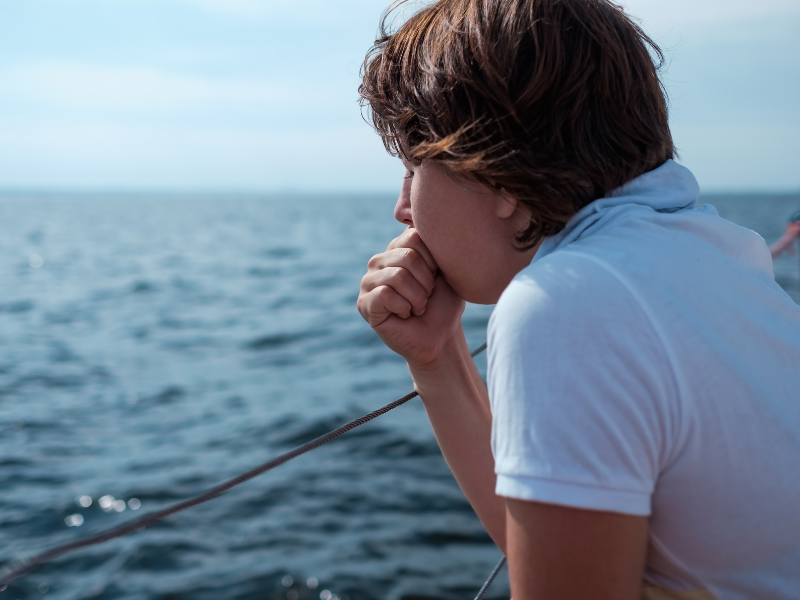
Helping nervous passengers
A lot of nervous passengers might be sitting very still, looking down at the floor or just seeming a bit uncomfortable. If I notice that, I’ll go over and ask if they’re okay.
If they say they’re nervous, I’ll ask what’s worrying them and try to explain what’s happening. If the ship’s rolling, for example, I’ll explain why it rolls, what causes it, and reassure them that it’s normal. I always tell people that if it’s rough, looking at the horizon can really help.
Sometimes I’ll walk around the vessel with them, show them different areas, explain the noises they’re hearing and talk them through how things work. Most of the time, once people understand it a bit more, they feel much calmer.
And it’s lovely when you see those same people again on the return journey and they’re absolutely fine.
The toughest weather
One trip that always stands out is the Valentine’s Day storm a few years ago. I think it was around 2014. The weather was so severe — I think it was force 12 or something close to that.
We really struggled to get into harbour because the wind was so strong. We actually had to turn around and go back out, then sit out in the Solent for a couple of hours until it was safe.
That was a really memorable experience. In those conditions, all you can do is make sure the customers are safe, that everyone is seated and looked after, and keep things as calm as possible.
It was one of the worst storms I’ve seen, but as a crew you stick together and get through it.
I didn’t feel unwell, I’m used to the waves. But when you get off afterwards, you can still feel like the boat is moving underneath you. You walk along and feel slightly unsteady because your body still thinks you’re at sea.
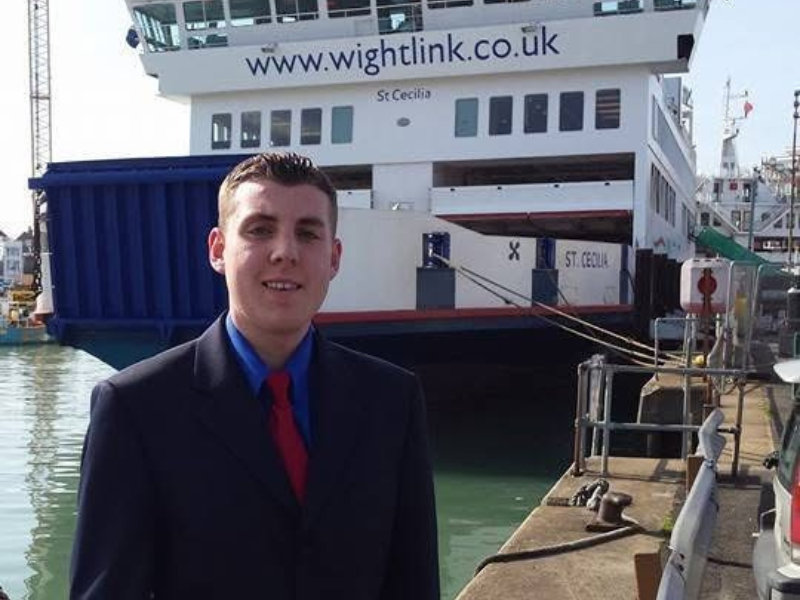
Favourite memories on board
One of the biggest moments for me was St Cecilia’s final sailing. She was the first vessel I ever worked on when I started on the ferries.
I worked onboard that vessel, and it was a really special day. We were in normal service, but there was also a send-off event happening, so you had a mix of regular passengers and invited guests on board together. It created a really nice atmosphere.
It was one of my favourite memories, although it was sad as well. Seeing the ship off was emotional.
And of course when they did the doughnuts in the harbour, that was pretty fun. I think everyone enjoyed that.
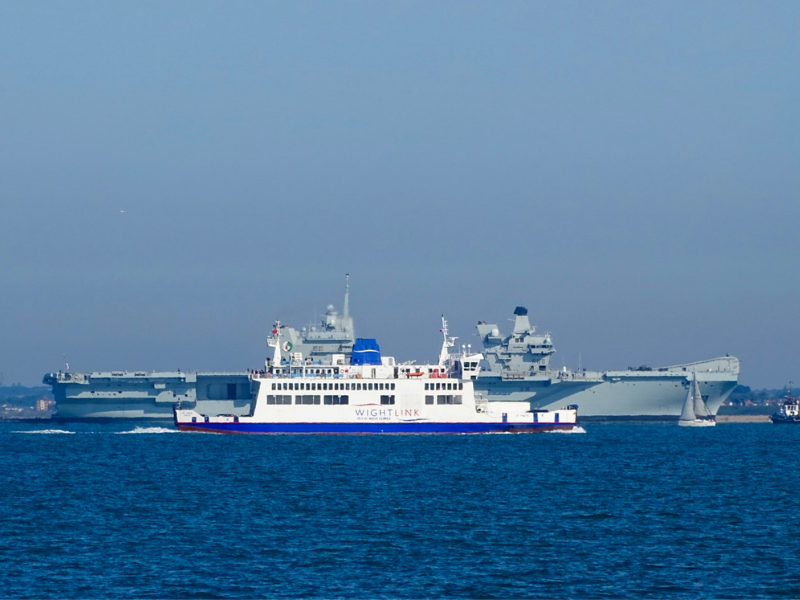
Unexpected sights on the crossing
I’ve seen dolphins, and I’ve even seen a whale once, which is definitely not something you see every day out there. It’s also fascinating seeing the huge US aircraft carriers when they’re in the area. The scale of them is incredible. And because there’s so much marine traffic in the Solent, you’re always seeing different types of vessel.
Sometimes you also realise you’re witnessing bits of history while you’re just going about your day — whether that’s something like the America’s Cup activity, naval ships arriving or leaving Portsmouth, or other major maritime events. That’s quite special.
A moment I’ll never forget
One of the most memorable trips was when we had a family on board who wanted to scatter their dad’s ashes.
It had all been arranged in advance, and we stopped the vessel for them so they could do it. I was asked to go down with the family while they said goodbye.
That meant a lot to me. It felt like a real honour to be part of such an important moment. We gave them the time and space they needed, and they were very grateful.
Their dad had been in the Navy and had sailed out of Portsmouth many times, so stopping just outside Portsmouth was exactly what they wanted. It felt like a fitting and respectful goodbye.
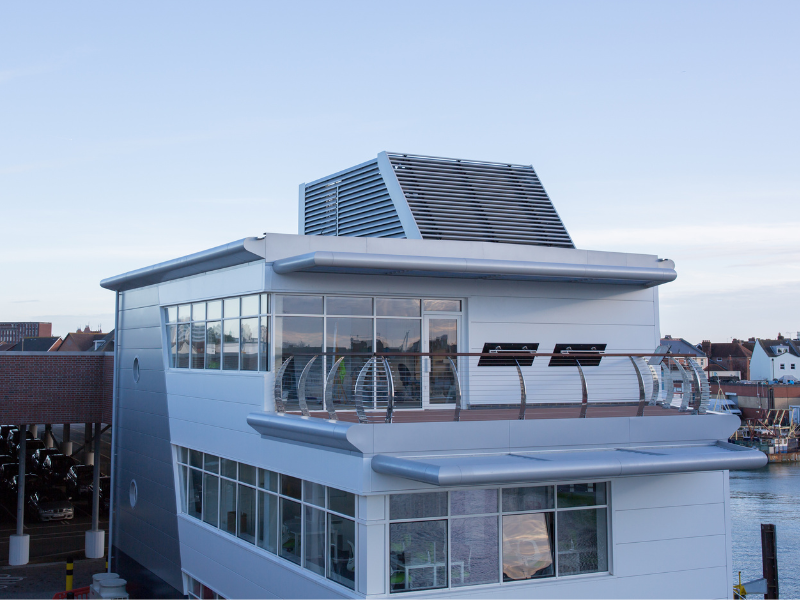
How the route has changed
When I first started, we still had the four St Class vessels and St Clare. I remember that era really clearly — having five vessels running and seeing all those ships in service.
Since then we’ve seen the Wight Class come down and do work here, and we’ve seen the departure of St Cecilia, St Helen and St Catherine, as well as the introduction of Victoria of Wight.
The ports have changed too. I remember working in what was a little café in Gunwharf before it became Greggs, and then later moving into the main customer building we have now. I was actually the first person to work in the Camber Express downstairs in the current building, which felt like a real honour.
It’s been amazing to watch the company grow, and to see the ships and the infrastructure keep getting better.
What’s improved life on board
One of the biggest changes for me has been the move to proper barista service in the cafés.
In the old days, you had push-button coffee machines and not everyone liked it. Now we can offer people much better coffee – flat whites, cortados, all those different styles – and customers really appreciate that.
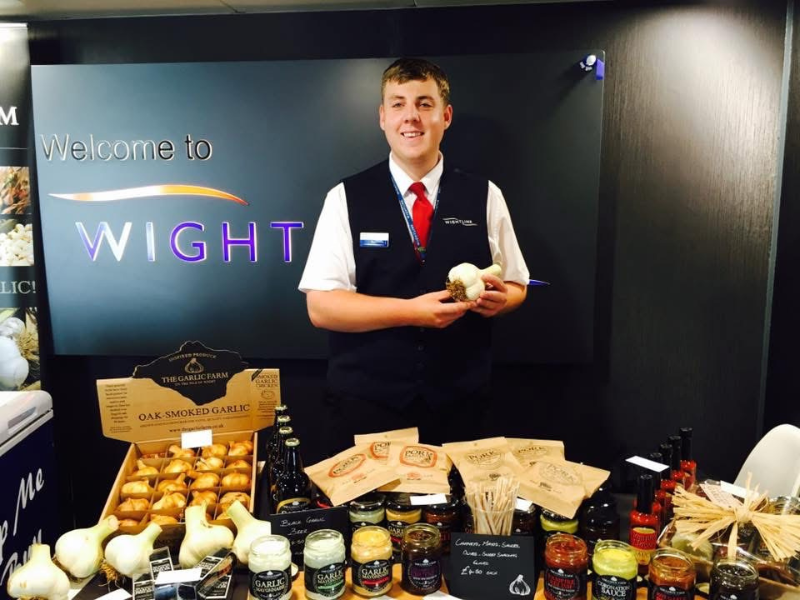
The food offer has improved a lot too, and I really like the fact we can sell local produce.
That means a lot to me personally, because I live on the Isle of Wight and I’m proud of what’s made here. Whether that’s something from the Garlic Farm, local coffee, or other Island-made products, it’s great being able to tell people, “this was made here.”
When I travel somewhere, I always want to try the local products. So I’m really glad Wightlink supports local businesses and gives us the chance to share that with customers.
My favourites? I’d probably go for a tuna and cheese melt and a flat white. That would be my choice for a meal deal.
The funniest moment
One that always makes me laugh now was when it had been raining really heavily and water had collected in the funnel deck on one of the boats.
I’d just finished serving and was heading to the crew mess to have a break. I didn’t realise the boat was turning in such a way that all the water suddenly came rushing off the top of the funnel deck — straight onto me.
I was absolutely soaked. It was funny and annoying at the same time, but I just had to laugh. The captain saw it happen as well. I’ve always had a sneaky suspicion he knew exactly what was about to happen.
What makes ferry people different
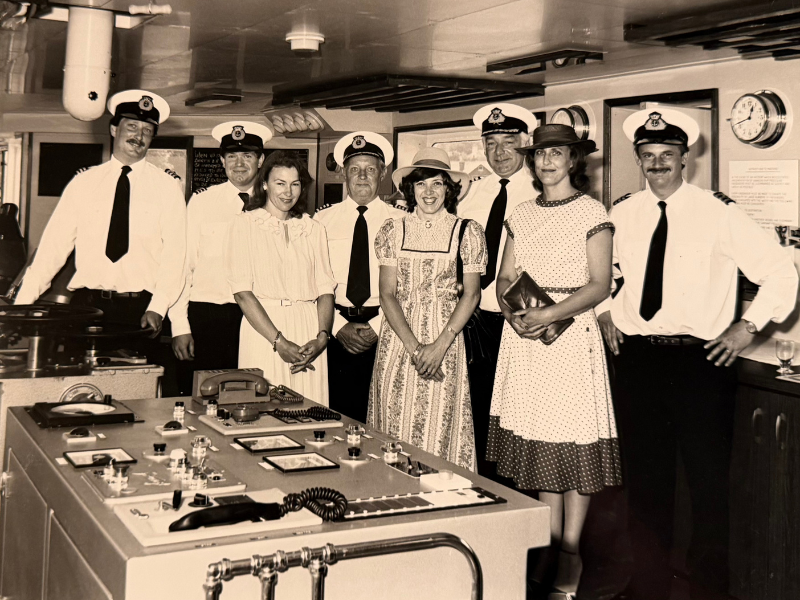
I think it’s the knowledge and skill people have.
From captains who’ve trained for years, to deck crew, to shore staff, to people in catering and customer service; there’s so much experience in this company. You’ve got people who’ve been here for decades and people who’ve only just started, but everyone brings something.
And you learn all the time. You never stop learning. You hear stories from captains who’ve worked on other ships or in other places, you see different techniques, you listen to colleagues and pick things up every day.
That’s one of the things I love most. I always come away from a shift feeling like I’ve learned something new.
A childhood dream realised
I’m one of the few people I know who’s been here since leaving school.
At school, everyone else was saying they wanted to be footballers or all sorts of other things. I always said I wanted to be a steward on the boats. And I got my dream. I’m still doing it now and I’m really proud of that. I’m 31 now, and I still feel glad every day that I stuck with it.
What makes me proud
For me, it’s knowing that we help make people happy.
We’re taking people on holiday. We’re part of the start of their trip. I remember how exciting it was for me as a child travelling across with my mum and dad, and for a lot of people that excitement is still there now — especially if they’ve never been on a boat before.
So we’re not just transporting people. We’re part of their holiday memories and family traditions.
You see that online too. There are people posting in Facebook groups about their trips to the Island, their days out, their holidays, and often Wightlink is part of that story. I think that’s lovely.
Advice for first-time passengers
I’d say enjoy the experience, because it really is unique.
A ferry journey is different from any other form of travel. It’s a bit like looking at a plane and thinking, “How does that even get off the ground?” You can look at a ferry loaded with cars and think, “How does that float?” But once you’re out there, it’s amazing.
And on this route especially, the scenery is wonderful. Sailing into Fishbourne Creek, seeing Quarr Abbey on the hillside, Osborne House over the other side, Ryde Pier in the distance — that’s all part of the experience.
If you’re from somewhere without water, it can be a completely new thing. And I love being part of that first experience for people. I like sharing what I know and helping them enjoy the crossing.
A lot of them come back year after year, which is exactly what we want.
Working during the centenary year
Even though I already knew quite a lot about Wightlink, I’ve learned loads during the preparations for the centenary this year. The company has such an incredible history.
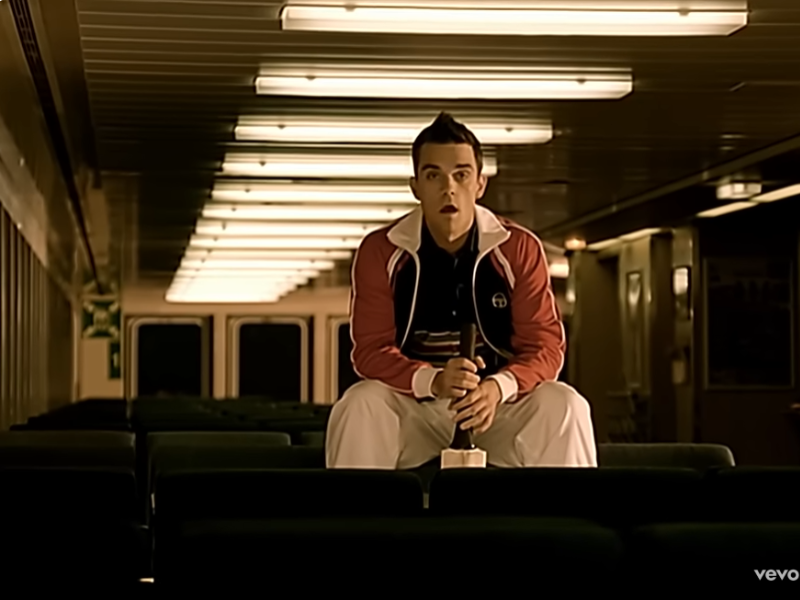
We’ve been part of the Isle of Wight story for such a long time, and part of some huge moments too — everything from Trafalgar 200 to Robbie Williams filming a music video on one of our boats.
And when you look further back, into wartime history and everything else, you realise how much Wightlink and its predecessor services have been woven into life here.
Most passengers just step on board, enjoy the crossing and step off again. But they don’t always realise they’re travelling along a historic route, over historic waters, surrounded by layers of history.
Even learning about things like the ships almost going to Dunkirk really brought that home. My great-uncle was on Dunkirk beach, so discovering that connection meant a lot to me personally.
It makes you realise these everyday vessels, taking people on holiday, could also have had a very different role in history.
Looking ahead to the next 100 years
I hope we keep the passion and enthusiasm people have now.
I hope we keep making people’s trips special, keep people moving and keep helping people make memories on the Island. I think that spirit is really important.
And as new vessels come in and the company continues to evolve, I hope we keep learning, keep building on our history and keep enjoying being part of it.
Hopefully in another 100 years there’ll be another big celebration. I don’t think I’ll be here for that one though.
Advice for future ferry enthusiasts
I’d say just ask questions. Talk to the crew. Talk to anyone who works on board or ashore. Don’t be nervous — no question is a silly question. If you’re interested, ask.
Most of us are more than happy to talk about the boats and share what we know.
There are also lots of Facebook groups and online communities where people share pictures, stories and information. That’s a great place to start as well.
And if you just want to enjoy the route for what it is, do that too. Travel across for the fun of it. There’s nothing wrong with just enjoying being on the water.
Who’s the biggest Wightlink nerd?
That’s a good question. I think there’s definitely competition.
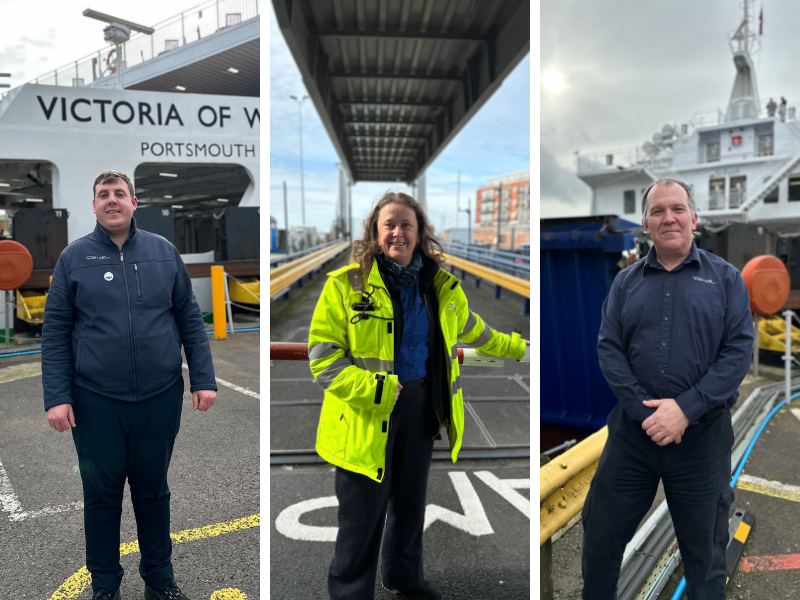
I’d say I’m fairly high up the list. I won’t quite put myself at the very top… but I think I’m up there. Anni Ruecroft would definitely be on the list. Brian Smith as well. And probably Jeremy Saltonstall, one of our captains.
But yes, I’m probably one of the few people who’d happily sit for hours just to get the right photo of a ferry.
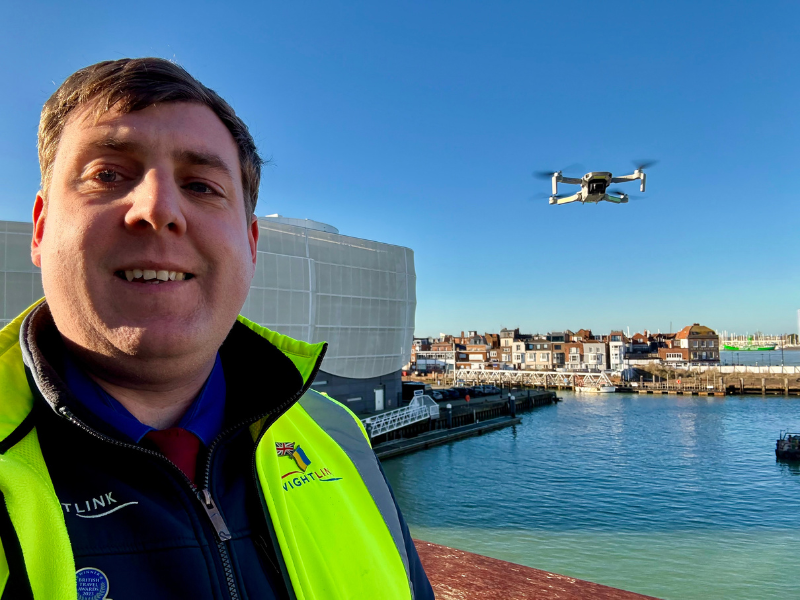
My passion for photography
Ferry photography is a big passion of mine, and it really started because of working for Wightlink.
Being out on the Solent, you get incredible scenery — sunrises, sunsets, stormy weather, beautiful calm mornings. There’s always something different, and because the ships are moving, the angles and the backgrounds are always changing too.
That’s what I love about photographing ferries. No two pictures are ever really the same.
Over time that’s grown into a wider photography interest, and I’ve worked with other companies too — Wightlink, Voith, South Western Railway, local news, national news — quite a few people have used my photos.
I’m always happy to share them because I enjoy taking them, and I want other people to enjoy those views as well.
One of the real perks of this job is seeing those sunrises and sunsets from the water. You could pay good money to see views like that, but I get them as part of my working day.
It definitely makes getting up at 03:00 in the morning a bit easier.